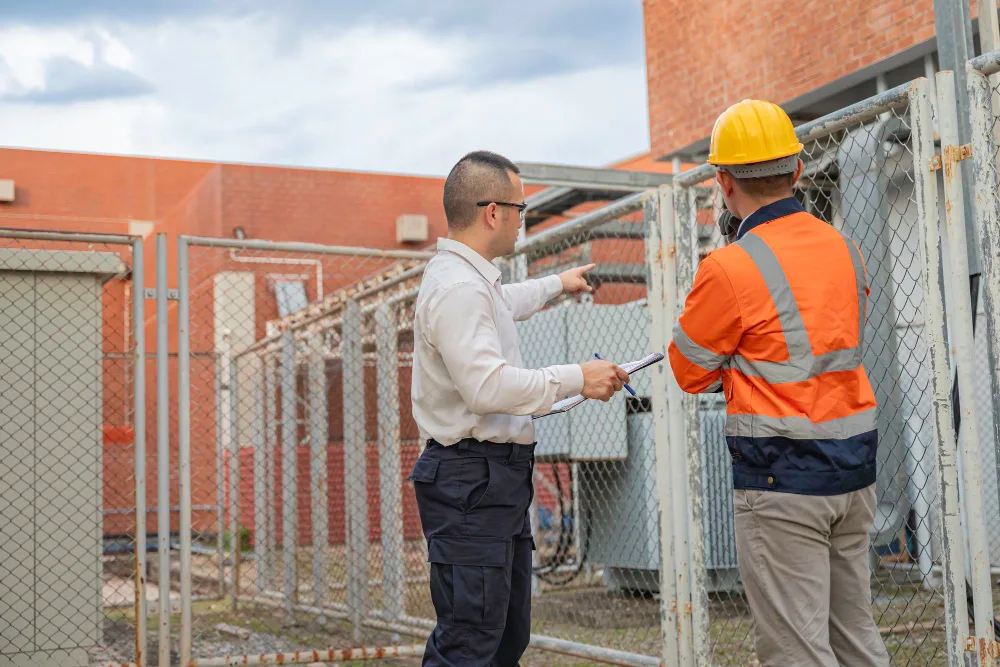
You just bought a new riding mower, or maybe a small boat to enjoy the Matanzas River, but there is one big problem: you can't get it into your backyard. Walking all the way around the house to access the side yard gets old fast, especially in the Florida heat. Adding a gate to an existing fence is one of the most practical upgrades you can make for your home. It improves access, increases security, and can even boost your property value.
While many homeowners assume they need to replace the whole fence line to get a new entry point, that is rarely the case. Retrofitting a gate is a standard procedure for fence installation pros, but it's also a project a handy homeowner can tackle with the right planning. Whether you live in a historic home downtown or a new build in Nocatee, adding a gate gives you the freedom to use your yard exactly how you want.
Is Your Fence Ready for a Gate?
Before you cut into your fence, you must determine if the existing structure can handle the stress of a swinging gate. A gate is heavy and acts like a lever on the posts holding it up; if your current posts are old, rotted, or not set deep enough, the gate will sag immediately.
Start by inspecting the rails and posts near where you want the opening. In our area, the humidity and sandy soil can take a toll on wood faster than in other parts of the country. If the wood feels soft or spongy, you might be looking at a repair job before you can start the installation.
Also, check your local HOA guidelines. Neighborhoods like World Golf Village or Palencia often have strict rules about gate width and hardware style. You don't want to finish a project only to receive a violation notice a week later.
How Much Does Adding a Gate Cost?
The cost to add a gate to an existing fence typically ranges from $200 to $600 for a DIY project, depending on materials. If you hire a professional, costs can range higher depending on the complexity and gate size.
According to data from HomeGuide, the average labor cost for fence gate installation is often between $150 and $400 per gate purely for the work, not including materials. If you're doing this yourself, your main costs will be the new 4x4 or 6x6 posts, concrete, gate hardware, and lumber for the frame.
Comparing quotes from fence companies in St Augustine Florida is smart if you're not comfortable with carpentry. While doing it yourself saves money upfront, a professional installation usually comes with a warranty that covers sagging or hardware failure.
What Tools and Materials Do You Need?
To cut into an existing fence and install a sturdy gate, you will need more than just a hammer. Because St. Augustine soil is so sandy, you need to use specific materials to keep the posts stable.
Gather these tools before you start:
- Circular saw or reciprocating saw
- Post hole digger and shovel
- 4-foot level
- Drill and impact driver
- Tape measure and pencil
For materials, you will need:
- Two 4x4 or 6x6 pressure-treated posts (rated for ground contact)
- Quick-setting concrete (at least two bags per post)
- 2x4s for the gate frame
- Gate hardware kit (hinges and latch)
- 3-inch deck screws
Step 1: How Do You Cut the Opening?
Mark the section of the fence where you want the gate. A standard walk-through gate is usually 36 to 48 inches wide. If you need to get a riding mower through, aim for at least 48 to 60 inches.
Using your saw, cut the horizontal rails of the fence section you're removing. Be careful not to damage the pickets if you plan to reuse them for the gate itself. Once the section is cut, remove the old fencing.
Pro Tip: In my 15 years working in neighborhoods like Lincolnville and Davis Shores, I have found that reusing old, weathered pickets for the new gate helps it blend in. If you buy brand-new pickets, the bright new wood will stand out like a sore thumb against your aged fence until it weathers gray.
Step 2: How Do You Set the Gate Posts?
Setting the posts is the most critical part of this project. If the hinge post moves even a fraction of an inch, your gate won't latch.
Dig your post holes at least 30 to 36 inches deep. In sandy Florida soil, deeper is always better. Place your new 4x4 or 6x6 posts in the holes. These must be independent of the existing fence posts because the existing ones are likely not spaced correctly for your new opening or sturdy enough to hold a moving gate.
Mix your concrete and pour it into the holes. Use your level to make sure the posts are perfectly plumb (vertical). You need to let the concrete cure for at least 48 hours. If you hang a heavy gate on wet concrete, the post will lean, and you will never get it straight again.
Step 3: How Do You Build and Hang the Gate?
While the concrete cures, you can build your gate frame. A simple box frame made of 2x4s with a diagonal cross-brace is the industry standard. The diagonal brace should run from the bottom hinge side up to the top latch side. This directs the weight of the gate back into the post, preventing sagging.
Once the frame is built, attach your pickets. If you notice your existing fence is leaning or damaged nearby, now is the time to address fence repair issues so your new gate lines up perfectly with the rest of the fence.
To hang the gate:
- Prop the gate up in the opening using blocks to keep it about 2 inches off the ground.
- Screw the hinges to the gate frame first.
- Screw the hinges to the post.
- Remove the blocks and test the swing.
Step 4: Installing the Hardware
Attach your latch at a comfortable height, usually about 3 to 4 feet off the ground. If you have a pool, local code often requires the latch to be at least 54 inches high and self-locking to prevent children from entering unsupervised. Always check safety codes if a pool is involved.
Troubleshooting Common Gate Issues
Why Is My Gate Sagging?
Sagging usually happens for two reasons: the screws in the hinges are loose, or the post has shifted.
If the post is loose in the ground, you may need to dig around the concrete footing and add more concrete to stabilize it. If the gate itself is warping, installing a turnbuckle kit (a metal cable that runs diagonally across the gate) can help pull it back into square.
Among the various fence companies in St Augustine Florida, we see this issue constantly. It is almost always because the DIYer didn't use a diagonal brace in the wooden frame. Without that brace, gravity will pull that gate out of square within six months.
How to Maintain Your Gate in Florida
The salt air near Vilano Beach or Anastasia Island is tough on metal hardware. To keep your gate working smoothly, spray the hinges and latch with a silicone-based lubricant (like WD-40 Specialist) every three to six months. Avoid standard grease, which attracts sand and dirt, creating a grinding paste that wears out your hinges.
Check the wood annually for signs of rot or termite damage. Applying a water sealer every two years will extend the life of your wood significantly.
The Bottom Line on Gate Installation
Adding a gate is a rewarding weekend project that changes how you use your yard. It requires precise measuring and a bit of sweat equity digging through our sandy soil, but the result is worth it.
However, if digging 3-foot deep holes in the summer heat isn't your idea of a fun weekend, or if you need a custom-sized double gate for a boat, we are here to help. We are one of the most trusted fence companies in St Augustine Florida because we treat every home like it's our own.
Contact Masters Fence at (904) 510-6540 today to get your yard access sorted out quickly and professionally.