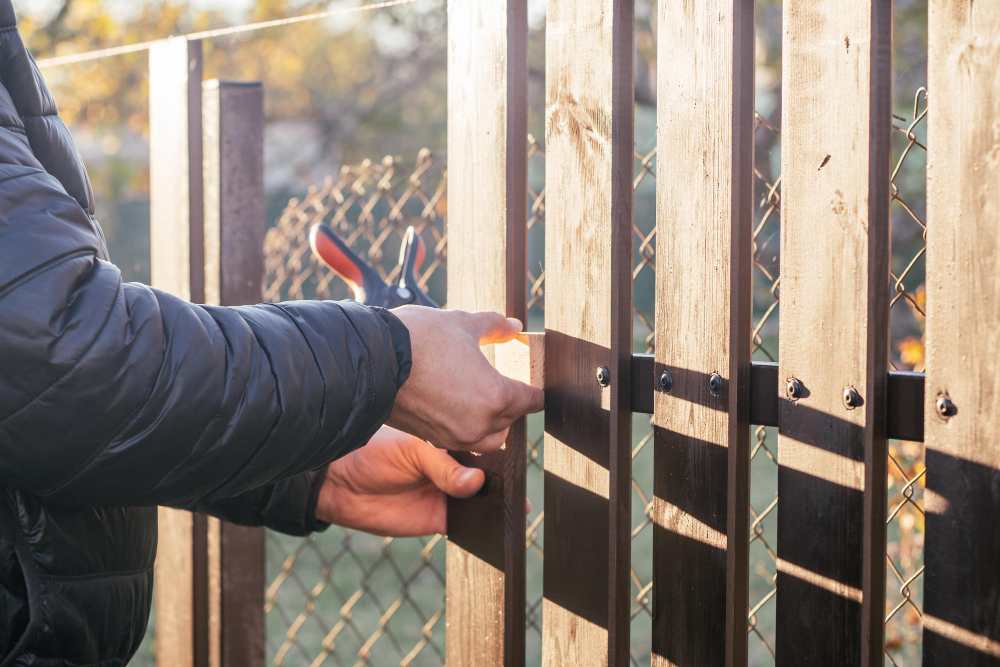
Keeping a fence standing in Jacksonville isn't easy. Between the salt air from the coast, our sandy soil, and the intense humidity, fence materials break down here faster than they do in other parts of the country. If you're noticing leaning posts or rotting wood, you'ren't alone. Here is how to identify and handle the most common issues we see in local yards.
How Do I Know If My Fence Needs Repair?
Inspect your fence line every six months, especially after storm season ends in November. Look for soft spots in wood posts near the ground, which indicate rot, or yellowing on vinyl panels caused by intense UV exposure. If more than 20% of the fence requires fixing, a full fence installation is usually more cost-effective than trying to patch it.
In older neighborhoods like San Marco or Riverside, we often see termite damage hidden behind paint. Take a screwdriver and gently press it into the wood at the base of your posts. If the wood gives way easily or feels spongy, moisture or insects have compromised the structural integrity. Catching this early prevents the entire section from collapsing during the next summer thunderstorm.
Why Is My Fence Post Leaning?
Fence posts usually lean because the concrete footing has cracked or the sandy Florida soil has shifted around the base. This often happens after heavy rains saturate the ground, making the soil unstable. To fix this, dig out the soil around the post base, straighten it using a level, and pour fresh quick-set concrete to stabilize it.
For homeowners in the beaches area, leaning is often a result of wind pressure over time. If the post is wood and isn't broken, you might be able to brace it. However, if the post moves freely in the hole, the concrete anchor has failed. We recommend digging at least 24 inches deep for new posts to combat our loose, sandy soil conditions. A post set too shallow won't last two years in this climate.
How Much Does Fence Repair Cost in Jacksonville?
In Jacksonville, minor fence repairs typically cost between $250 and $600, depending on the material and damage extent. Wood picket replacement is generally the cheapest option, while fixing vinyl or aluminum panels costs more due to material prices. Labor rates for fence repair usually run $50 to $80 per hour in our area.
When we handle fence repair Jacksonville Florida residents often ask about the specific costs for different materials:
- Pressure-Treated Pine: Replacing a few 6-foot dog-ear pickets is inexpensive, costing around $3-$5 per board for materials. However, replacing a rotted 4x4 post requires more labor and materials, pushing the cost to $150-$200 per post.
- Vinyl (PVC): Vinyl is durable but cracks on impact. Replacing a single panel generally costs between $150 and $300 because you often have to buy a full section to get the matching parts.
- Chain Link: Repairing a bent top rail or patching a hole usually costs $150 to $400. This is common in Mandarin where tree limbs frequently fall on fences.
How Can I Prepare My Fence for Hurricane Season?
Secure loose boards and trim overhanging branches at least two weeks before a storm threatens the coast. Reinforce weak posts with 2x4 braces if they show any movement. Don't cover chain link fences with tarps or privacy fabric during high winds, as this turns the fence into a sail that will rip out of the ground.
We've seen dozens of fences in Atlantic Beach destroyed simply because the wind couldn't pass through them. If you have a solid wood fence, check that your posts are solid. If a post snaps during a hurricane, it takes the adjacent panels down with it. Spending an afternoon checking for loose fasteners in May can save you thousands of dollars in September.
What Is the Best Stain for Jacksonville Fences?
Use an oil-based penetrating stain with UV inhibitors to protect wood from the harsh Florida sun and humidity. Water-based stains sit on top and peel quickly in our climate. Reapply stain every two to three years, or whenever water stops beading up on the wood surface to prevent graying and rot.
Many homeowners skip this step, but it's the number one way to extend the life of a wood fence. The sun here bleaches wood fibers rapidly, making them brittle. A high-quality oil stain acts like sunscreen for your lumber. Proper staining maintains the look of your property and prevents the need for the type of major fence repair Jacksonville Florida homeowners dread.
When Should I Call a Professional?
Call a professional if the damage involves structural posts set in concrete or if the fence line has collapsed over a property boundary. DIY fixes work well for replacing a few pickets, but structural work requires specialized tools to dig through established root systems. Improperly setting a post leads to failure within two years.
While replacing a latch or a board is a great weekend project, re-setting a fence line requires precision. If the fence isn't level, the gates won't latch properly, and the panels will warp. In our experience, fixing a botched DIY repair often costs more than hiring a pro to do it right the first time.
Need Help With Your Fence?
Don't let a broken fence ruin your curb appeal or compromise your security. We are your local experts for fence repair Jacksonville Florida residents trust. Whether it's a leaning post or storm damage, we're here to help.
Contact Masters Fence at (904) 510-6540 to schedule your repair.