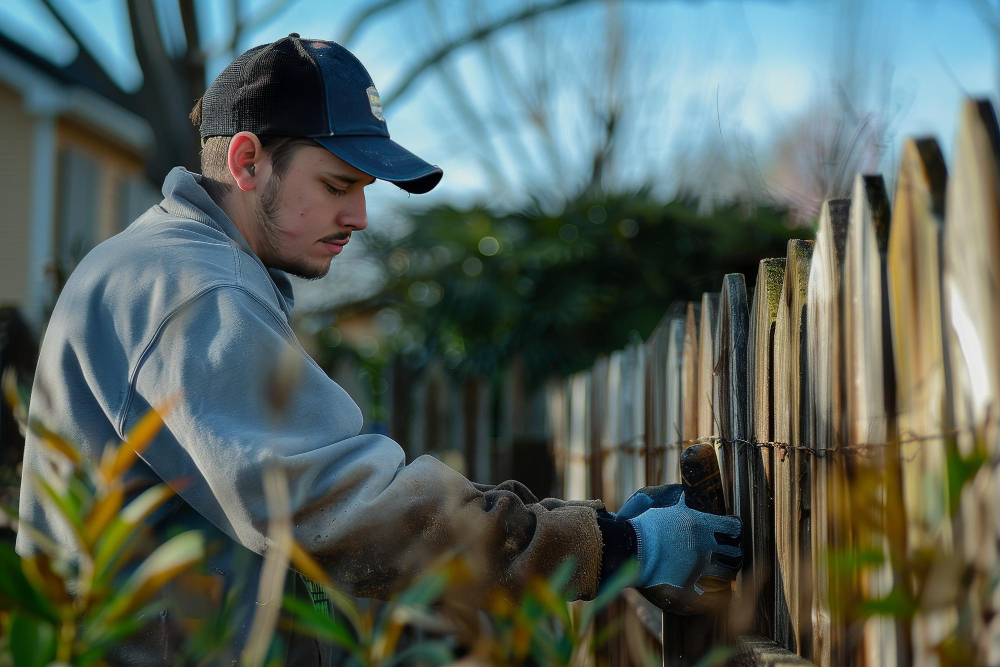
Living in St. Augustine offers a unique blend of history, coastal beauty, and community. Whether you have a historic home near the Lightner Museum or a new build closer to Vilano Beach, adding a fence is a great way to boost your privacy and curb appeal. However, navigating the rules and regulations in our area can feel like a headache.
You might be wondering where to start with the paperwork, or if you even need a permit at all. The good news is that you do not have to figure it out alone. A professional fence installation protects your property and ensures everything is up to code. We handle the heavy lifting—from the first measurement to the final inspection—so you can enjoy your backyard without the stress.
Do I really need a permit for a fence in St. Augustine?
Yes, in almost every case, you need a permit to install a fence here. St. Augustine and St. John's County have specific building codes designed to keep our neighborhoods safe and visually appealing. This is especially true if you live in the Historic District, where the Architectural Review Board (HARB) has strict guidelines on materials and styles to preserve the city’s character.
Skipping this step might seem like a way to save time, but it usually backfires. If you build without a permit, you could face fines, or worse, the city could force you to tear down your new investment. We make sure every "i" is dotted and "t" is crossed before we dig the first hole.
What does the fence installation process look like?
The process begins with a clear plan and ends with a secure, beautiful boundary for your home. While every yard is different, the timeline generally follows a standard path to ensure quality and compliance.
- Survey and Design: We start by confirming your property lines. This prevents disputes with neighbors and ensures we aren't building on public land. We also help you choose materials that match your style and budget.
- Permit Application: We compile the necessary drawings and documents to submit to the Building Department.
- Approval: Permit review times vary, but you can typically expect the approval process to take anywhere from 5 to 15 business days.
- Installation: Once we have the green light, our crew gets to work. For a standard residential lot, the physical installation often takes 2 to 4 days, depending on the size of the yard and the weather.
- Final Inspection: After the fence is up, a city or county inspector will visit to verify that the work meets all safety codes.
Which materials handle our coastal weather best?
Vinyl and aluminum are incredible options for St. Augustine homes because they stand up to the salt air and humidity. Unlike wood, which acts like a sponge in our damp climate, vinyl and aluminum do not rot or warp.
However, if you love the classic look of wood, we can certainly make it work. Just keep in mind that wood requires more maintenance. Without regular staining and sealing, the moisture can lead to rot, termites, or warping. If your current fence is leaning or looking weather-beaten, we also specialize in fence repair to extend the life of your investment.
How much do fence permits usually cost?
The cost of the permit's a small percentage of the overall project, but it's a necessary expense for peace of mind. While fees can fluctuate based on the project's value and the specific municipality you live in, permit fees generally range from $50 to over $200.
We include these details in our initial discussions, so there are no surprises on your final bill. Knowing these costs upfront helps you budget effectively for your new outdoor space.
How do contractors ensure code compliance?
We know the local zoning codes inside and out. For example, most residential zones in St. Augustine restrict fence heights to 6 feet in the backyard and 4 feet in the front yard. There are also "setback" rules, which dictate how far a fence must be from the street or a property line.
Compliance matters because it protects you from legal issues down the road. Imagine trying to sell your home near Anastasia State Park only to find out your fence was built illegally. It could delay your sale or cost you thousands to fix. We ensure your fence is legal from day one.
What challenges pop up during installation?
Florida’s sandy soil and afternoon thunderstorms can make installation tricky for the inexperienced. Our ground is soft, which means fence posts need to be set deep—typically at least 2 feet or roughly one-third of the post’s length—to remain stable during high winds.
We also have to navigate tree roots, specifically with the beautiful old oaks found throughout neighborhoods like Lincolnville. We work carefully around root systems to protect your trees while still securing your fence line. If we hit unexpected coquina rock or utility lines, our team has the experience to adjust the plan immediately without compromising the fence's integrity.
Secure your home with confidence
A new fence changes the way you use your home. It gives your dog a place to run, creates a private oasis for your family, and adds value to your property. But a fence is only as good as its installation. By hiring a local professional, you ensure that your project handles the humidity, meets strict hurricane codes, and enhances the beauty of our historic city.
We are here to help you navigate the permits and the labor so you can enjoy the results. If you're ready to upgrade your yard, call us at (904) 510-6540 or contact Masters Fence today to get started.